
You have 48 hours before the farewell Zoom, 50 people on the team, and exactly four signatures on the digital card you sent out on Monday. When coordinating a group card for 50 or more remote employees, participation usually stalls due to two hidden friction points: account creation barriers and artificial signature limits. GroupGreeting solves this by providing a digital group card service where contributors sign instantly through a direct web link without making an account, paired with unlimited pages so nobody gets locked out. Fixing the large-scale card stall comes down to removing technical hurdles, using predictable per-card pricing, and automating delivery schedules before the deadline arrives.
The 50-person signature stall in modern workplaces
Anyone who has managed office operations knows the sinking feeling of checking a group card two days after posting it in Slack and seeing almost nothing. You posted the link in the general channel, pinned it, and tagged the relevant department. Yet when you open the admin view, you see notes from the direct manager, the desk neighbor, and two people who reply to every message within thirty seconds. The remaining 46 team members are nowhere to be found.
As the clock ticks toward the farewell call or anniversary milestone, the organizer turns into a reluctant hall monitor. You draft direct messages that sound increasingly desperate. You chase people across Slack, Microsoft Teams, and email. Then come the inevitable messages from senior managers asking why the link redirects them to a password screen, followed by colleagues asking if they can just send you three sentences over chat for you to paste in manually.
The worst-case scenario hits an hour before the send time: people finally click the link all at once, only for the software to display an error saying the card has reached its maximum signer capacity. Several digital card services cap cards at 20 or 30 signers unless you make an emergency plan upgrade.
The consequences of this stall land squarely on two groups. First is the celebrating employee, who receives a sparse card that makes their multi-year tenure look barely noticed by their peers. Second is the organizer, who wastes hours doing manual data entry and tech support instead of focusing on their actual work. Digital recognition should build team connection, not generate administrative headaches.
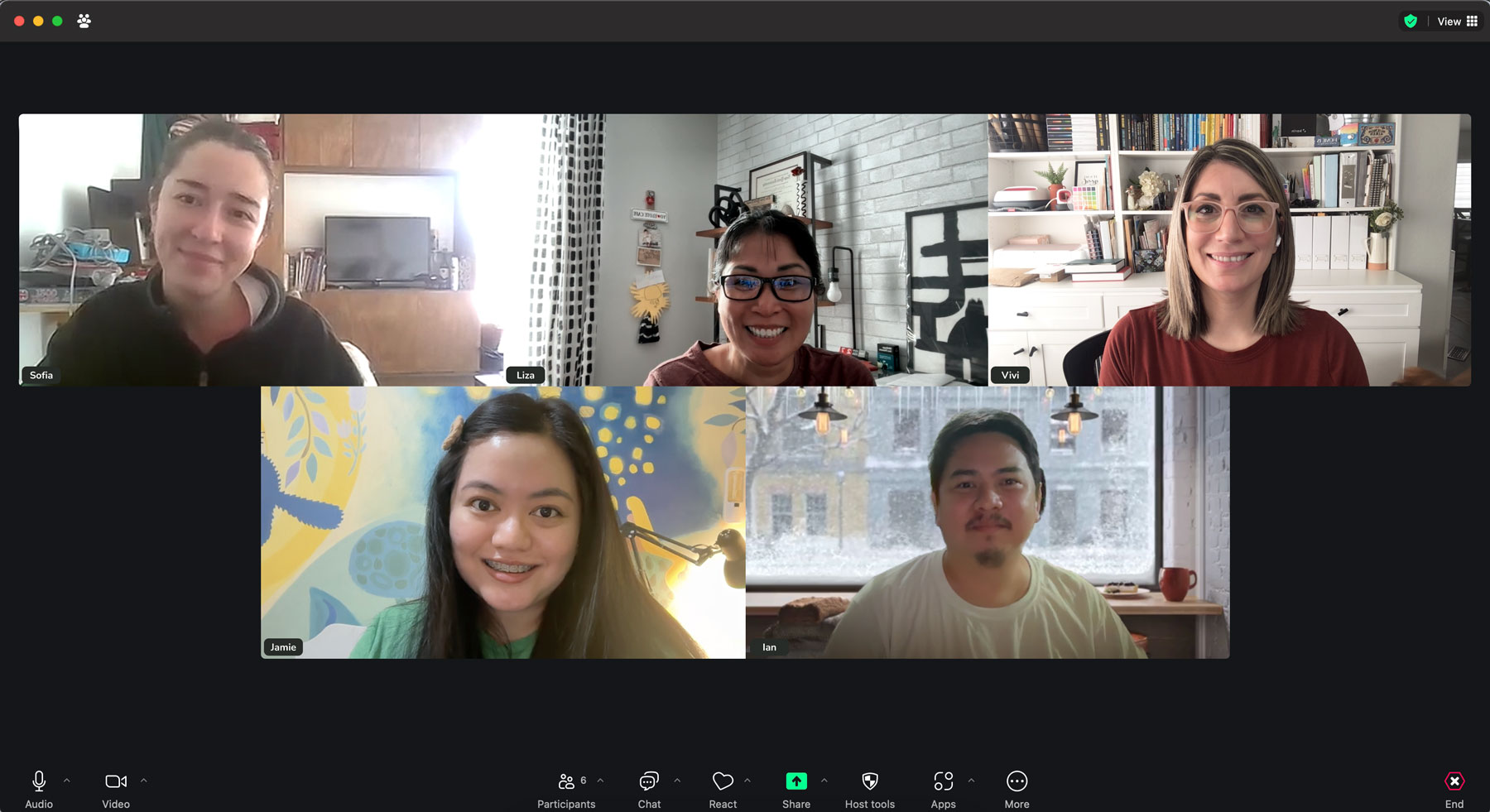
Why signature collection stalls on large distributed teams
When participation dries up, organizers usually assume their coworkers do not care enough to write a sentence or two. That diagnosis is almost always wrong. People want to say goodbye, celebrate promotions, and wish colleagues a happy birthday. They fail to sign because the card software puts obstacles in front of them right at the moment they try to help.
Understanding why cards stall requires looking at software mechanics rather than employee motivation. Over 25,000 workplaces trust GroupGreeting, and the patterns of high versus low participation consistently trace back to three structural friction points.
The account creation barrier
The fastest way to kill response velocity is to demand personal credentials before letting someone leave a message. According to industry analysis on digital group cards for large remote teams, requiring signers to sign in with Google or build a site password causes participation to drop by an estimated 40 percent.
For an engineer with deep focus time or an executive moving between back-to-back reviews, signing a card is a two-minute impulse task. If clicking your link brings up a registration form asking for an email, password, and profile setup, they close the tab. They intend to deal with it later when they have time, but they rarely return. Frictionless access is the single biggest predictor of whether a 50-person card actually gets 50 signatures.
Artificial signer limits
Another major roadblock is hidden space limits. Many digital platforms structure their tiers around signer counts, quietly gating access once a card reaches a certain threshold. A review of group greeting card alternatives highlights how common it is for platforms to surprise coordinators with hard signer limits right when a team is halfway through leaving heartfelt messages.
When a digital tool treats space like physical cardstock, latecomers get turned away. An employee logs on in a different time zone, finds the card locked, and assumes their contribution is unwelcome or unneeded. By the time the organizer notices the paywall, pays for an upgrade, and re-alerts the team, the moment has passed.
The writer's block factor
Large cards present a psychological challenge: the intimidating blank space. When an employee clicks into a card with 30 prior entries that all say "Best of luck!" or "Happy Birthday!", they hesitate. Nobody wants to write the exact same generic platitude as the person right above them, yet drafting something original takes mental energy.
Without tools that invite personality—like adding animated GIFs, candid workplace photos, or digital stickers—signers put off writing until they think of something witty. In a busy workday, delay turns into omission.

The solution: evaluating tools for high-volume group cards
Fixing the signature stall requires selecting software built for scale rather than small private exchanges. Before circulating a link across a 50-person department, run your card platform through three practical tests:
- Check the entry path: confirm that contributors can add a message with just their name, without creating an account or logging in.
- Verify the space policy: verify that the card includes unlimited pages so contributors never hit a sudden paywall or signer cap.
- Compare the per-card economics: evaluate whether the platform forces you into a high recurring software subscription or lets you purchase predictable bundles.
Here is how to put these principles into practice when managing cards across large departments.
Remove the login requirement
Your priority is keeping access frictionless. On GroupGreeting, signers simply click the card link, type their message, add their name, and submit. There is no account registration, no third-party verification step, and no password setup.
Eliminating the login requirement protects the casual, spontaneous nature of signing a card. An employee can open the link from a mobile browser between meetings, leave a funny note with a GIF, and finish in under forty seconds. By matching the tool to how people actually work, you keep participation velocity high from day one. This low-friction setup is one reason Kudoboard vs. GroupGreeting comparisons consistently highlight sign-in mechanics as a core factor for People Operations teams.
Guarantee unlimited space
A true group card should never run out of room. The story and mission behind GroupGreeting started with the goal of making appreciation accessible without the physical boundaries of paper. That philosophy carries through to the platform architecture: every card comes with unlimited pages.
When you send a card to an entire department, you never need to worry about whether someone's photo will push another person off the layout. If 75 people decide to write essays and attach team photos from the last five years, the card simply adds pages to fit everyone. Signers can upload photos up to 5MB or animated GIFs with 50 frames or less, giving every coworker the room to make their note personal without crowding anyone else out.
Compare the per-card economics
Software costs for workplace appreciation can spiral quickly if platforms force you into costly annual seats. An independent 2026 comparison of group card apps highlights that while some platforms require enterprise contracts with monthly commitments, GroupGreeting maintains transparent per-card pricing and volume packages.
A single card costs $4.99 to $5.99, but buying in bulk drops the price significantly, saving teams up to 33 percent. Review the plans listed on the GroupGreeting pricing page to find the right fit for your team's headcount:
| Plan | Total Price | Per-Card Price | Cards Included | Savings vs. Single |
|---|---|---|---|---|
| Single Card | $5.99 | $5.99 | 1 | Standard rate |
| Sprout | $54.00 | $5.40 | 10 | ~10% |
| Sapling (Most Popular) | $119.00 | $4.76 | 25 | ~21% |
| Grove | $229.00 | $4.58 | 50 | ~24% |
| Forest | $399.00 | $3.99 | 100 | ~33% |
Plans from Sapling upward also include enterprise perks like custom company logo branding, multi-user account management, and bulk card creation. If your organization runs multiple celebrations every month, bulk plans prevent the need to run single expenses through corporate cards for every separate event.

Signs your recognition workflow needs a reset
Administrative friction often accumulates quietly. Many teams continue using cumbersome processes simply because nobody has paused to evaluate the operational cost.
Look out for these clear warning signs that your group recognition process is broken:
- The organizer spends more time troubleshooting access issues and resetting permissions than celebrating the recipient.
- Department heads abandon group cards completely because individual costs or monthly platform subscriptions feel too high.
- Signatures on farewell cards are consistently restricted to the immediate three people who sit in the same timezone.
- Colleagues frequently ask if they can email you their messages to post on their behalf because the tool is too frustrating to use.
- Remote team members comment that they never know when a milestone celebration is taking place until after it passes.
When these patterns emerge, morale suffers. As noted in media coverage cited on the GroupGreeting press page, remote and hybrid teams rely on intentional digital rituals to maintain a sense of belonging across distances. When the software gets in the way of those rituals, team members end up feeling isolated rather than valued.
Preventing the last-minute milestone panic
The best way to stop the 48-hour signature scramble is to retire the ad-hoc model altogether. Treating every work anniversary, farewell, and birthday as an unexpected fire drill exhausts coordinators and leads to uneven team celebrations.
Instead, build an organized cadence using automated delivery scheduling. You can browse thousands of options in the selection of group birthday cards or browse farewell templates weeks ahead of time. Create the card in 60 seconds, set up internal reminders, and schedule the exact delivery date and time. At the designated moment, the platform automatically closes the card to signers and emails the recipient directly.
Keep in mind that not every occasion requires gathering 50 signatures. For smaller professional gestures or direct acknowledgments, sending 1-to-1 personal cards avoids signature overhead while maintaining genuine recognition.
Once the celebration wraps up, the recipient can download a permanent PDF version of the card to save or print as a lasting keepsake. Over 90,000,000 messages of appreciation have been delivered this way across 195 countries, proving that when you remove friction, teams show up for each other.
If you have specific logistical questions about setting up reminders or handling corporate accounts, consult the GroupGreeting office FAQ guide for direct answers to common questions.
You can set up a collaborative digital card in 60 seconds with unlimited space, zero login barriers for your contributors, and automated delivery on the GroupGreeting platform today.