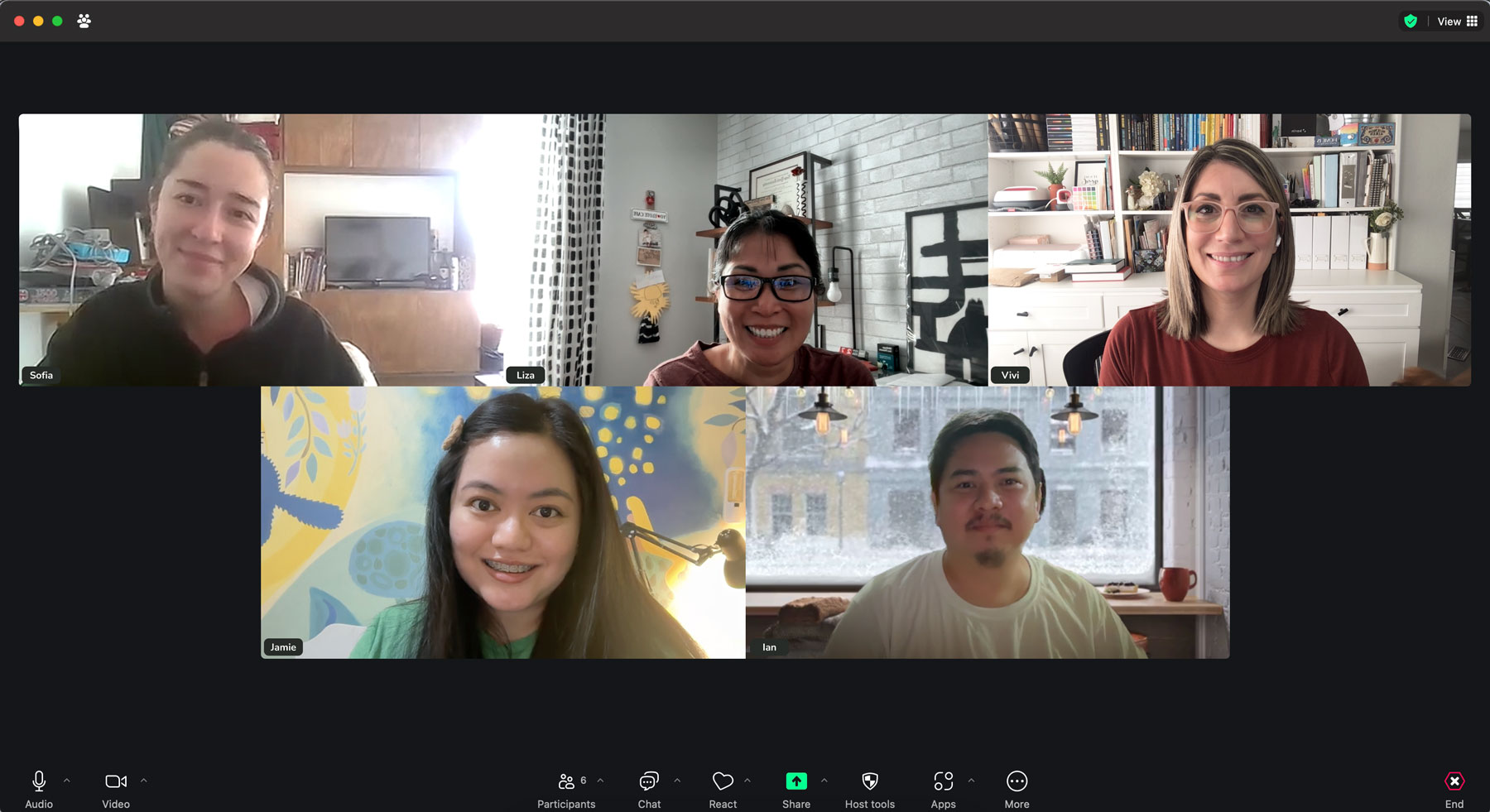
When evaluating digital group card platforms for workplace milestones, the right choice depends on your team size, budget, and whether you prefer a traditional greeting card format or a scrolling message board. GroupGreeting stands out as the practical choice for teams that want a quick, multi-page digital greeting card with unlimited signatures and thousands of artist designs, while Kudoboard fits teams that want to print physical hardbound memory books, and Thankbox serves groups organized primarily around pooling money for a gift. This guide compares pricing models, signer login requirements, and administrative controls across the leading digital card services in 2026 so you can pick the right tool for your next office milestone.
Quick verdict on digital group card tools
Before digging into the detailed feature sets, here is how the top services compare for common workplace scenarios:
- Best for traditional card format and unlimited signatures: GroupGreeting
- Best for printed physical books and posters: Kudoboard
- Best for cash collections and money pooling: Thankbox
- When none of these platforms fit: If you only need to send a one-to-one message without team signatures, use an individual ecard service instead.
Passing a manila folder around a physical office used to be the default way to collect signatures for a coworker's birthday or farewell. In distributed and hybrid teams, that physical workflow causes major coordination problems. Remote colleagues are left out, folders sit forgotten on empty desks, and whoever organizes the card spends days chasing people for a quick signature.
Digital card platforms fix that coordination problem, but they approach the experience differently. Some platforms recreate the physical card experience online with flippable pages and cover art. Others abandon the card concept completely in favor of social media feeds or communal money-pot collections. Deciding which tool works best comes down to how your coworkers prefer to collaborate and whether you want a dedicated keepsake or a cash pool.
Overview of the top digital group card platforms
Understanding how each service approaches collective celebrations helps narrow down which platform fits your organization's workflow.
GroupGreeting
Anthony Doctolero founded GroupGreeting to solve the office manila folder problem after receiving a mailed package in his apartment. The service focuses squarely on preserving the warmth of a classic greeting card within a digital workspace. You can set up a new card in 60 seconds, select a cover from an extensive collection of artist designs, and generate a shareable link that lets unlimited coworkers contribute messages, photos, and stickers.
GroupGreeting charges a flat fee of $4.99 plus tax per card with no artificial message caps. Because the card opens like a book and adds pages automatically as people write, it feels familiar to recipients of all technical backgrounds. The platform is used by more than 25,000 businesses, has delivered over 5 million cards, and provides a downloadable PDF copy so the recipient can save the memory permanently.
Kudoboard
Kudoboard takes an alternate route by turning the card into a scrolling multimedia board. Instead of flipping pages like a book, contributors post rectangular tiles containing text, photos, GIFs, or short video clips onto an open canvas that looks like an online bulletin board.
Kudoboard prices its single-use boards on a tiered scale starting at $6.99 for a Lite board, which caps contributions at 20 posts. Larger milestones require higher tiers, such as the Premium board ($9.99 for up to 100 posts) or Milestone board ($19.99 for unlimited posts). Its primary selling point is the option to export the digital board into a physically printed hardcover book or poster, making it popular for major retirements or long-tenure farewells.
Thankbox
Based in the UK, Thankbox designs its cards around group cash collections. The visual interface resembles an online card board where team members leave sticky-note style messages, but the core feature is the built-in money collection pot.
Pricing starts at $5.99 (or £4.99 in the UK) for a Classic card, which allows unlimited written messages and collects up to $400 in gift funds. While contributors leave their notes, the checkout screen prompts them to pitch in toward a digital gift card. This design works well for teams that want to bundle a baby shower or wedding gift collection directly into the signing link.

Head-to-head feature comparison for online group cards
The table below breaks down the technical and functional differences across all three platforms.
| Factor | GroupGreeting | Kudoboard | Thankbox | Advantage |
|---|---|---|---|---|
| Visual layout | Multi-page flipping card | Scrolling digital board | Scrolling digital board | Preference-based |
| Signer login required | No account needed | Depends on board settings | No account needed | GroupGreeting and Thankbox |
| Signature and message caps | Unlimited on all cards | Tiered (20, 100, unlimited) | Unlimited on standard cards | GroupGreeting |
| Available cover designs | 10,000+ artist designs | Minimal template covers | Limited design themes | GroupGreeting |
| Built-in gift card pool | Optional merchant gift cards | Requires external tools | Core cash-collection pot | Thankbox |
| Physical print service | Downloadable PDF | Hardcover books and posters | Print-ready PDF download | Kudoboard |
The login barrier and participation rates
Getting 30 to 80 people to sign a card before Friday afternoon requires removing every bit of friction. If an employee clicks a link and encounters a mandatory account creation screen or a Google authentication prompt just to say "Happy Birthday," many will close the tab and forget about it.
As noted in ExpressWithACard's comparison of digital group cards, mandatory account requirements are the primary reason group cards stall out. GroupGreeting avoids this friction completely by allowing anyone with the direct URL link to write a note immediately. No account, password, or profile setup is required for signers. Thankbox also allows guest contributors without a sign-in wall.
Kudoboard operates with variable permissions. Depending on how the organizer sets privacy levels or whether the company runs an enterprise plan, signers may run into sign-in prompts before they can post. For a deeper analysis of how these two interfaces perform during team events, read our detailed breakdown of Kudoboard vs GroupGreeting multimedia cards.
Design selection and personalization
The aesthetic presentation of a digital card influences how personal the greeting feels to the recipient. GroupGreeting uses an actual card cover that opens into interior pages. Organizers can choose from thousands of artist-designed group cards covering birthdays, retirements, work anniversaries, and holidays. Inside, signers choose custom fonts, adjust text colors, angle their messages, and upload pictures or stickers to match their personality.
Kudoboard and Thankbox abandon the book format in favor of a vertical feed or a masonry tile layout. Kudoboard boards feel modern and visual, especially when contributors add short video clips. However, the background options are largely generic patterns or user-uploaded images rather than curated greeting card art. Thankbox similarly focuses on individual message bubbles against colored backgrounds or GIF headers rather than an illustrative card cover.
Privacy is also structured differently across these layouts. On all three platforms, messages are public to the group. GroupGreeting operates as a collective card, meaning there is no private messaging tier—everyone sees what everyone else wrote, mimicking a paper card passed around a break room.
Enterprise scaling and tracking
When People Ops managers or administrative assistants coordinate dozens of milestones every month, administrative oversight becomes essential. You need to know whether people signed, when the card is scheduled to send, and whether the recipient received it.
GroupGreeting builds delivery management into its dashboard. Organizers receive automated notifications that track signature counts, confirm scheduled delivery, and confirm when the recipient opens the link. For corporate accounts, GroupGreeting company plans allow organizations to upload custom branding logos, add department users, and create cards in bulk to save administrative hours.
Kudoboard offers deep integrations with enterprise communication stacks, particularly Microsoft Teams and Slack, on its higher-tier corporate packages. These integrations let managers trigger milestone reminders inside company chat channels. However, teams that simply want clear tracking without complex enterprise software setups often find GroupGreeting's straightforward dashboard easier to manage.

Pricing and value comparison for team group cards
Cost structures vary noticeably across these three platforms, particularly when dealing with large teams where contribution counts can push you into higher pricing tiers.
| Tier or Plan | GroupGreeting | Kudoboard | Thankbox |
|---|---|---|---|
| Single standard card | $4.99 + tax (unlimited signatures) | $6.99 (capped at 20 posts) | $5.99 / £4.99 (unlimited notes) |
| Large team card | $4.99 + tax (unlimited signatures) | $19.99 (Milestone board) | $9.99 (Premium with video) |
| Annual or team plan | Annual plans with bulk card discounts | Starts at $25/month billed annually | Starts at £19/month for teams |
| Surcharges on gifts | Standard processing for merchant cards | N/A (no built-in cash pot) | 1.1% to 2.9% + transaction fees |
A critical detail highlighted by InviteDrop's group card review is how sudden post limits impact event organizers. With Kudoboard's base $6.99 tier, the board locks out contributions after the 20th post. If you work on a 35-person team, the organizer must unexpectedly upgrade to a $9.99 or $19.99 tier mid-celebration just so the rest of the department can sign.
GroupGreeting eliminates that friction by offering unlimited signers and pages on every single card for $4.99 plus tax. Whether 10 people or 150 people sign, the price does not change. For organizations celebrating milestones year-round, GroupGreeting pricing plans offer bundled discounts that reduce the cost per card even further.
Thankbox keeps single-card pricing relatively affordable at $5.99 for unlimited written notes, as detailed in WishWarmly's Thankbox vs Kudoboard analysis. However, organizers should review the transaction fees associated with their cash collection feature. In the United States, contributors pay 2.9% plus $0.19 on every monetary donation, which can add up if a large department chips in for a retirement gift.
Who should choose what: matching your team to the right card
Every organization has different priorities. Match your specific office culture and budget against these recommendations.
Choose GroupGreeting if:
- You want the classic look and emotional feel of an authentic greeting card that flips open.
- Your department has more than 20 people and you want to avoid paying extra just to let everyone sign.
- You want access to a library of more than 10,000 artist-designed covers rather than building your own graphics.
- You need clear delivery status tracking to see when your card is opened.
- You want an eco-friendly option that supports global reforestation projects.
Choose Kudoboard if:
- Your primary goal is printing a physical, full-color hardcover book or wall poster to hand to the recipient in person.
- Your coworkers strongly prefer uploading video shout-outs over writing text messages.
- Your company already pays for enterprise software with native Microsoft Teams bot notifications.
Choose Thankbox if:
- The primary goal of the milestone is pooling cash for a department gift card or registry item.
- Your company is based in the UK and wants low payment processing rates in British pounds.
- You prefer a pinboard style layout over a traditional folded card.
Neither is right if:
You simply want to send a fast, personal note from yourself to a colleague without collecting signatures from anyone else on the team. Group card platforms are specifically engineered for multi-user collaboration. If you do not need other people to sign, you can skip group boards entirely and pick from individual 1 to 1 cards for a quick, direct greeting.
Final verdict on GroupGreeting and its alternatives
Selecting the right digital group card platform comes down to the experience you want to deliver to the recipient. Kudoboard is an effective option if you have the budget to order a printed physical book. Thankbox serves as a reliable mechanism when collecting money for a baby shower or wedding gift is your primary objective.
For everyday workplace recognition, birthdays, team farewells, and retirements, GroupGreeting's group card platform offers the most balanced and cost-effective solution. At $4.99 per card with unlimited pages, zero login barriers for signers, and over 10,000 artist designs, it eliminates the stress of coordinating remote celebrations.
Visit GroupGreeting to start your next office card in 60 seconds and let your whole team share their appreciation without the administrative headaches.